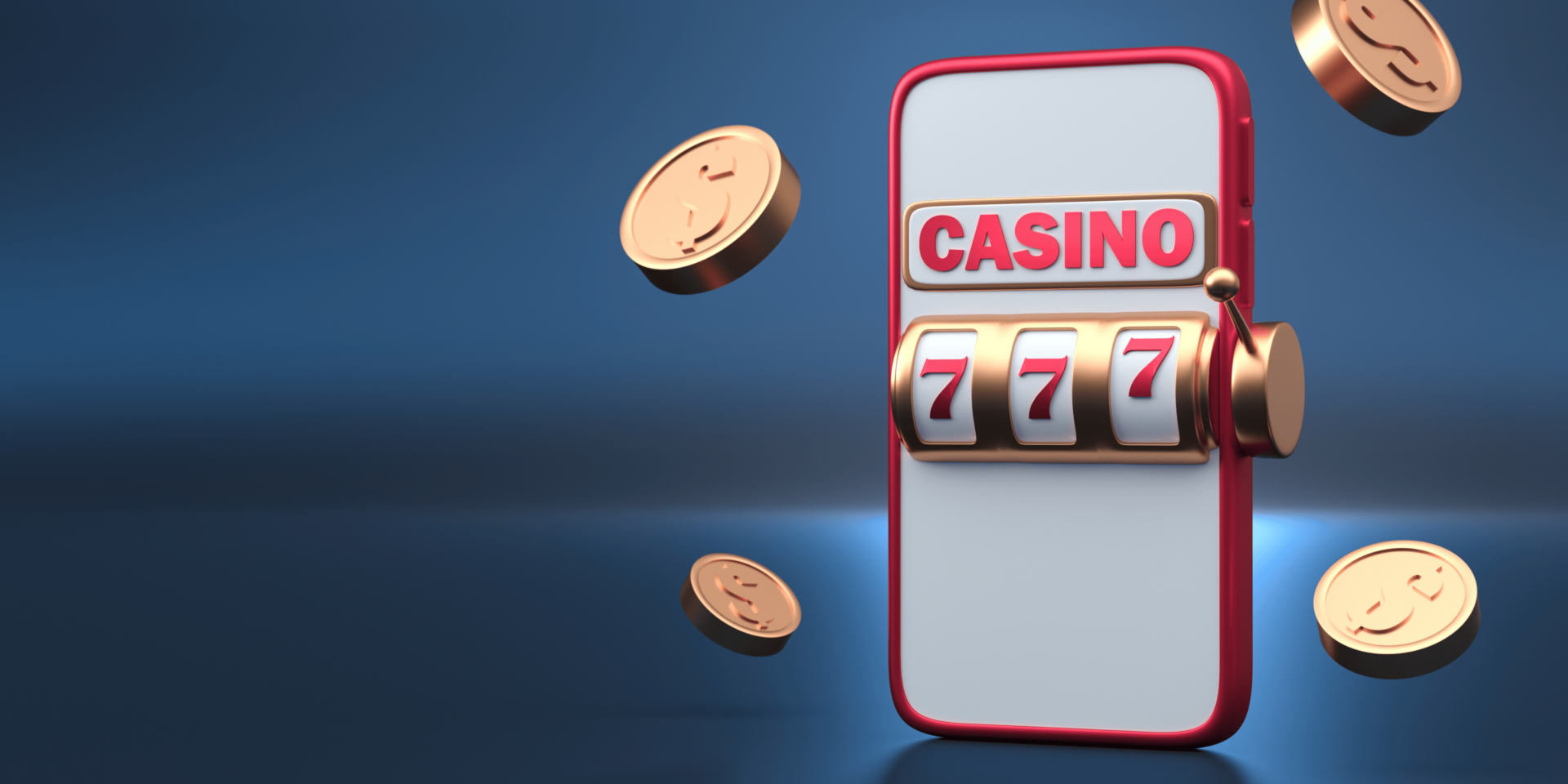
Coin Systems Shape Player Behavior Through Reinforcement
Casino apps use coin-based progression to guide user behavior. By linking player actions to coin rewards, the app creates a system of reinforcement that encourages repeated use and deeper engagement.
A player opens the app, completes a short game round, and receives coins immediately. The fast reward confirms that their action was correct. The system doesn’t require the player to think deeply—just to react and continue. Over time, the player learns to associate play with coin gain, reinforcing the behavior without needing external motivation.
Coin Progression Creates a Sense of Accomplishment
Earning coins after each session gives users a measurable way to track progress. This feedback provides a sense of growth, even if the gameplay itself doesn’t change significantly. Players stay engaged because the app shows them tangible signs of advancement.
A user sees their coin balance increase every time they complete a task. The rising total acts as proof that time spent in the app matters. Even when outcomes vary, the steady increase creates the impression of forward motion. This feeling of progress keeps users returning.
Visual Displays of Coins Trigger Emotional Responses
Coin-based systems often use animations, sounds, and visual effects to enhance the experience of receiving rewards. These features activate emotional responses, making players feel satisfied and eager to continue playing.
A player finishes a round, and the app displays a visual cascade of coins falling into a digital wallet. The moment feels rewarding, even if the value of the coins is low. These carefully designed visuals help create positive associations between gameplay and rewards, which strengthens the habit loop.
Accumulation Mechanics Drive Long-Term Retention
Casino apps build retention by rewarding coin accumulation over time. The more a player returns, the more coins they earn—and the more options become available within the app. This structure encourages continued play by tying reward access to session consistency.
A player logs in daily to build their coin balance. As their total grows, new features unlock or bonuses become more frequent. The app doesn’t need to rely on surprises—it simply connects coin collection to access. This consistent growth model gives players a reason to return and retain their standing.
Coin Milestones Signal Goal Completion
Coin thresholds act as milestones that give structure to the player’s journey. When apps assign rewards, events, or status upgrades to specific coin totals, players focus on reaching the next step instead of just playing aimlessly.
A user is 500 coins away from unlocking a special game. They monitor their total and make choices that help them close the gap. These milestones guide the player through the experience by offering clear targets. Once a goal is met, the next one appears, continuing the loop.
Loss Aversion Increases Engagement with Coin Stakes
When players spend coins in casino apps, the act of spending introduces risk. This risk activates loss aversion—the fear of losing something earned. That fear motivates players to make careful decisions and stay invested in the outcome.
A player decides whether to use coins on a spin with a higher payout. They hesitate, knowing that once coins are spent, they can’t be recovered easily. This hesitation keeps the user focused. Even though coin currency is digital, the loss still feels real, which strengthens commitment to the game.
Coin Rewards Replace Traditional Skill Progression
In many casino apps, success is not tied to increasing skill but to accumulating digital currency. The coin system replaces mastery with access. Players don’t need to improve—they just need to play more or return often.
A player earns enough coins through repetition to unlock new content. They didn’t have to beat a level or learn a new mechanic. The system makes engagement the main measure of progression. This shifts the player’s goal from improvement to consistency, aligning with the app’s retention strategy.
Timed Coin Bonuses Create Anticipation and Routine
Some apps give coin bonuses on a timer, prompting players to return at specific intervals. These mechanics tie coin progression to real-world time, turning gameplay into a daily or hourly habit.
A user receives a notification that a coin bonus is ready in 10 minutes. The timing creates anticipation. Players schedule their return based on when the next bonus appears, which turns app visits into routine behaviors. These timed systems keep players active without requiring new content.
Coin Spending Unlocks Customization and Access
Players often use coins to customize their experience—by unlocking avatars, themes, or bonus rounds. This ability to spend earned currency builds ownership and makes the app feel more personalized.
A player saves coins to buy a custom background. When the purchase is complete, the app reflects their preference. This small change gives the user a sense of control and identity within the platform. Coin spending becomes more than functional—it becomes expressive.
Progress-Based Coin Systems Shape Player Expectations
Once players get used to coin-based progression, they expect steady rewards for regular interaction. Apps that fail to deliver this experience feel empty or frustrating, even if the gameplay is technically the same.
A user downloads a new casino app that doesn’t offer coin rewards for early rounds. They leave quickly, looking for a platform that delivers more consistent feedback. This shift in expectations means apps must integrate coin systems to remain competitive. Players have learned to associate coin progression with satisfaction.
Coin Systems Build Powerful Engagement Loops
Coin-based progression in casino apps isn’t just a design choice—it’s a psychological tool that shapes how players engage, spend time, and form habits. Coins provide instant feedback, structure long-term goals, and turn repetition into a meaningful experience.
The visual and emotional impact of coin accumulation keeps users active. Timed bonuses and spending opportunities deepen interaction. By connecting player behavior to visible currency rewards, casino apps create reliable engagement cycles that feel rewarding—even when outcomes are based on chance.
In today’s crowded app landscape, coin systems continue to dominate because they work. They drive user loyalty, extend session time, and give players a reason to return—not just to win, but to grow something that feels valuable over time.